Lottery in Transition: Why the Game Remains Popular

Lottery in Transition: Why the Game Remains Popular
For generations, the lottery has been a fixture of American life — a simple game that blends the thrill of chance with the dream of a life-changing win. Despite the rise of digital entertainment, sports betting, and online casinos, the lottery continues to attract millions of players every week. But what keeps this decades-old game relevant in a rapidly changing world?
From Paper Tickets to Digital Play
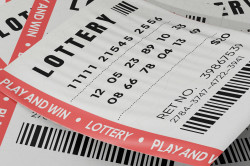
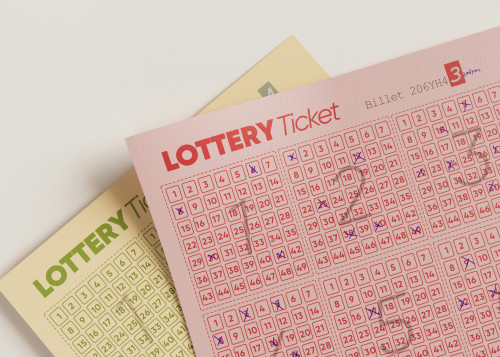
When state lotteries first appeared in the U.S. in the 1960s and 1970s, buying a ticket meant a trip to the local convenience store and waiting for the televised drawing. Today, the experience has gone digital. Many states now offer online ticket sales, mobile apps, and automatic notifications for winners. Players can check results instantly, join group pools, and even subscribe to recurring draws.
This digital shift has made the lottery more accessible than ever. It fits seamlessly into modern life — a few taps on a phone can turn an ordinary moment into one filled with anticipation. Yet, even as technology transforms how people play, the essence of the lottery remains unchanged: the hope that your numbers might just come up.
A Shared American Tradition
For many Americans, the lottery is more than a game — it’s a shared ritual. Office pools, family traditions, and friendly debates over “lucky numbers” are part of the cultural fabric. When jackpots soar into the hundreds of millions, the excitement becomes a national conversation. Even those who rarely play find themselves daydreaming about what they’d do if they won.
This sense of community and collective dreaming is a key part of the lottery’s enduring appeal. It’s not just about the money; it’s about the momentary escape and the shared sense of possibility.
The Power of the Dream
At its core, the lottery is about imagination. For the price of a cup of coffee, players can buy a ticket to a different life — one free from financial stress, filled with opportunity and adventure. Psychologists note that this small act of hope can be emotionally rewarding, even when the odds are long. The anticipation, the “what if,” and the brief suspension of reality are what keep people coming back.
In a world where so much feels uncertain, the lottery offers a simple, familiar form of optimism.
Bigger Jackpots, New Games
To stay relevant, lotteries across the U.S. have evolved. Multi-state games like Powerball and Mega Millions have created record-breaking jackpots that capture national attention. New formats, instant-win games, and second-chance drawings keep the experience fresh. At the same time, marketing has shifted to emphasize fun, community, and responsible play rather than just wealth.
This balance between tradition and innovation has been crucial. The lottery must feel both nostalgic and modern — a game that honors its roots while adapting to new generations of players.
Supporting Good Causes
Another reason the lottery remains popular is its public purpose. In most states, lottery proceeds fund education, infrastructure, and community programs. Players know that even if they don’t win, their money contributes to something meaningful — from scholarships to park improvements. This sense of giving back helps maintain trust and goodwill toward the game.
Playing Responsibly
Modern lotteries also emphasize responsible gaming. Tools like spending limits, self-exclusion options, and educational campaigns help players keep the experience fun and safe. By promoting awareness and transparency, state lotteries aim to ensure that the game remains a form of entertainment, not a source of harm.
Læs også:
A Game That Adapts — and Endures
The American lottery has survived cultural shifts, economic changes, and technological revolutions. Its staying power lies in its simplicity and its ability to evolve without losing its heart. Whether played on a smartphone or with a paper ticket, the lottery continues to offer something timeless: a moment of hope, a shared dream, and the thought that maybe — just maybe — this time, it could be you.
Læs også: