Fixed Numbers or Not? The Pros and Cons of Playing the Same Numbers in the Lottery

Fixed Numbers or Not? The Pros and Cons of Playing the Same Numbers in the Lottery
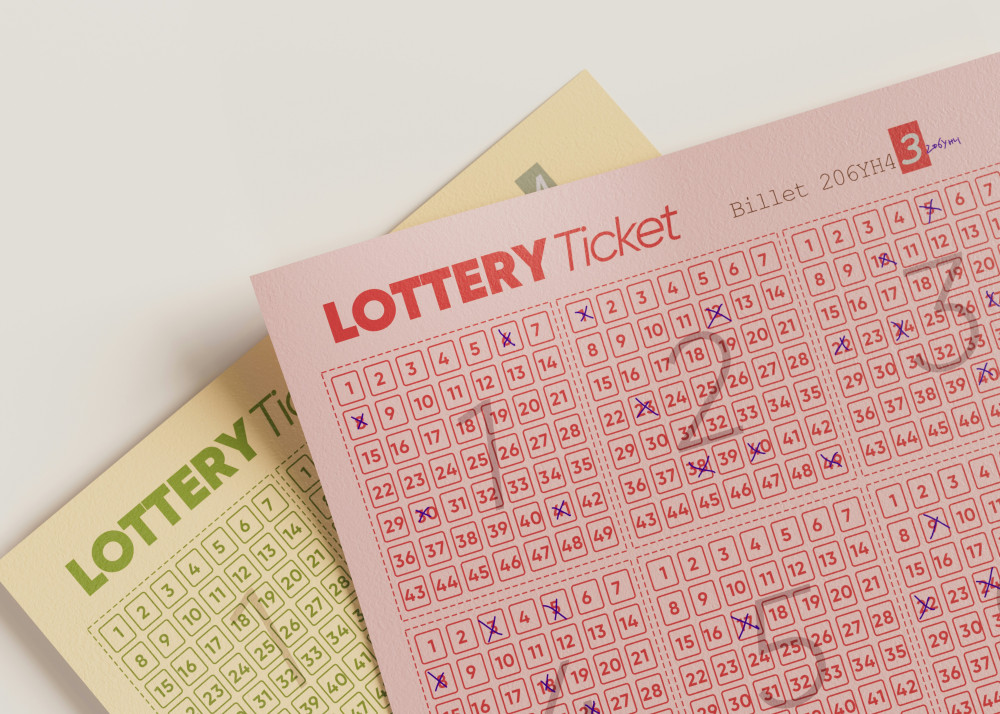
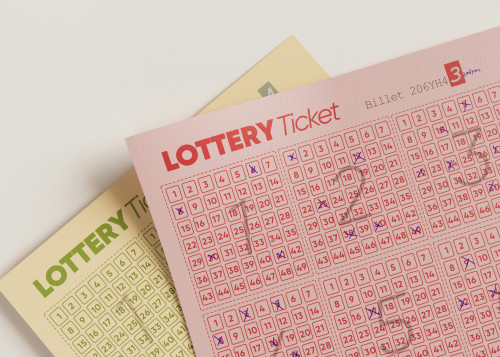
For many Americans who play the lottery, choosing numbers is more than just a quick decision—it’s a ritual. Some players swear by their “lucky numbers,” often tied to birthdays, anniversaries, or other meaningful dates. Others prefer to let the computer pick random numbers each time. But does sticking with the same numbers actually make a difference? And what does it mean psychologically to play the same combination week after week? Let’s take a closer look at the pros and cons of playing with fixed numbers in the lottery.
The Mathematical Reality – Every Number Is Equal
First things first: statistically, it doesn’t matter. Every lottery drawing is independent, and every possible combination has exactly the same chance of being drawn. Your favorite numbers aren’t “hot” or “cold,” no matter how long you’ve been playing them.
Still, many players stay loyal to their chosen numbers. That loyalty often has less to do with math and more to do with emotion, habit, and hope. For some, it’s a small way to feel a sense of control in a game that’s entirely random.
The Advantages of Playing the Same Numbers
There are several reasons why players might choose to stick with the same numbers week after week:
- Comfort and routine: Having a familiar set of numbers can make the game feel more personal and consistent. It becomes part of a weekly ritual.
- Fear of missing out: Many players worry that if they skip a week or change their numbers, their old combination might finally hit. That fear can be a powerful motivator to keep playing.
- Personal meaning: Numbers tied to birthdays, anniversaries, or other milestones make the experience more emotionally engaging.
- Convenience: Once you’ve chosen your numbers, you don’t have to think about it again. It simplifies the process.
For some, these fixed numbers become a small tradition—something that adds a bit of meaning to the fun of playing.
Læs også:
The Drawbacks – Why Random Numbers Might Be Smarter
While fixed numbers can feel right, they come with a few downsides:
- No real advantage: As mentioned, your odds don’t improve by sticking with the same numbers. Every draw is random.
- Shared winnings: Many people use dates, which means numbers between 1 and 31 are especially popular. If those numbers win, you’re more likely to share the jackpot with others who picked similar combinations.
- Lack of variety: Always using the same numbers can make the game feel repetitive. Random picks can add a bit of excitement and novelty.
- Psychological attachment: Some players feel “tied” to their numbers and find it hard to stop playing, even when they want to take a break.
Letting the computer choose random numbers—known as a “Quick Pick” in most U.S. lotteries—can be a more relaxed way to play. You don’t have to worry about missing your numbers, and you avoid the emotional pressure of sticking to a set.
What Psychology Tells Us
Lottery play is as much about hope as it is about luck. Fixed numbers can create an illusion of control in a game that’s completely unpredictable. Psychologists note that this sense of control isn’t necessarily bad—it can make the experience more enjoyable, as long as it stays within healthy limits.
The problem arises when players start believing their numbers are actually more likely to win, or when they feel compelled to keep playing to avoid “missing out.” That’s when a harmless habit can start to feel like an obligation.
So, What Should You Choose?
There’s no right or wrong answer. If playing your favorite numbers makes the lottery more fun for you, there’s no harm in continuing. But if you’d rather take a carefree approach—or avoid the pressure of sticking to a set—Quick Picks are just as good statistically.
The key is to remember that the lottery is entertainment, not a financial strategy. Whether you play with fixed or random numbers, your odds remain the same. Play for the thrill, enjoy the anticipation, and keep it fun.
Læs også: