Casino Design: How Layout and Atmosphere Create Community and Excitement


Casino Design: How Layout and Atmosphere Create Community and Excitement
When you step into a casino, almost nothing is left to chance. From the lighting and color palette to the sounds and furniture placement, every detail is carefully orchestrated to create a sense of excitement, community, and anticipation. Casino design is not just about aesthetics—it’s a strategic blend of psychology, architecture, and experience design that shapes how guests feel and behave.
Light, Sound, and Color – A Symphony for the Senses
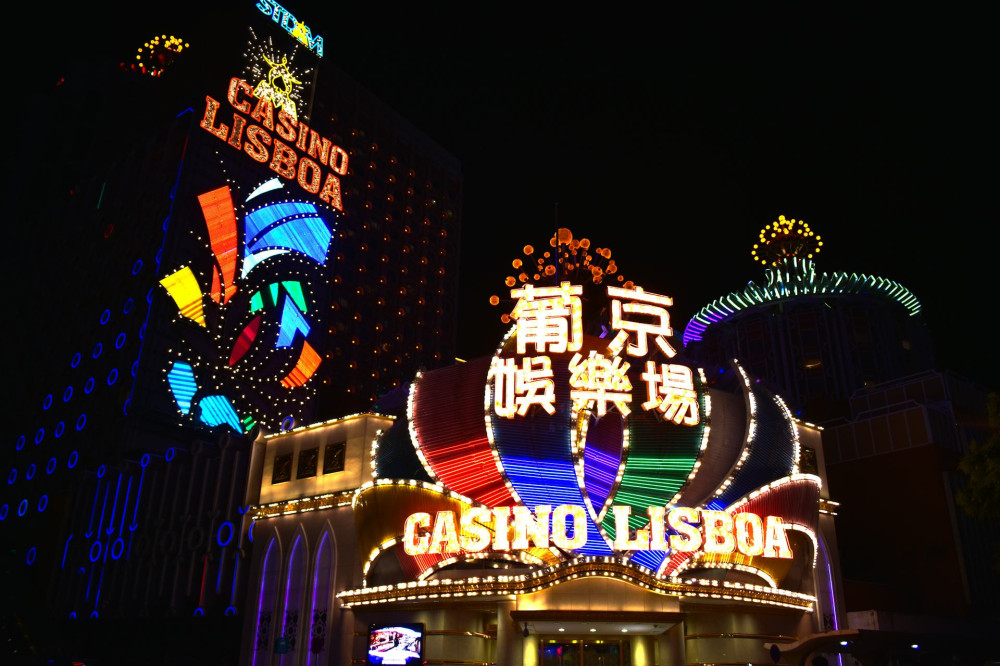
A casino is a sensory experience. Warm tones, flashing lights, and the rhythmic sounds of slot machines and chips create an environment that stimulates and captivates. Lighting is often dim but focused, with spotlights highlighting tables and machines to draw attention to the action.
Music plays a subtle but powerful role. It’s upbeat enough to energize the space without overwhelming conversation. Combined with the visual spectacle, it creates an atmosphere where time seems to disappear—where guests become immersed in the moment.
Space and Flow – Guiding the Journey
Casino architecture is designed to lead guests on a deliberate journey. You’ll rarely find windows or clocks, and the pathways often curve, encouraging exploration and discovery. This “flow” keeps guests moving, inviting them to try new games and experiences along the way.
Many casinos use zoning to create distinct moods: quieter areas for table games, lively sections for slots and bars, and exclusive lounges for VIP guests. This structure provides variety while fostering a sense of belonging—whether you’re seeking calm, social connection, or high-energy excitement.
Læs også:



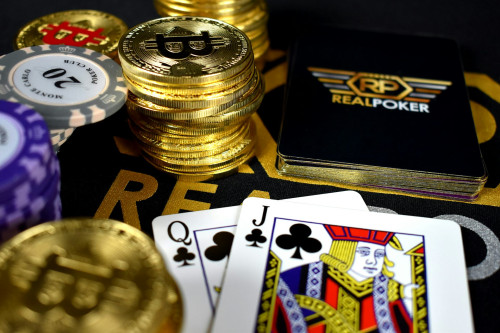
Designing for Community – When Play Becomes Social
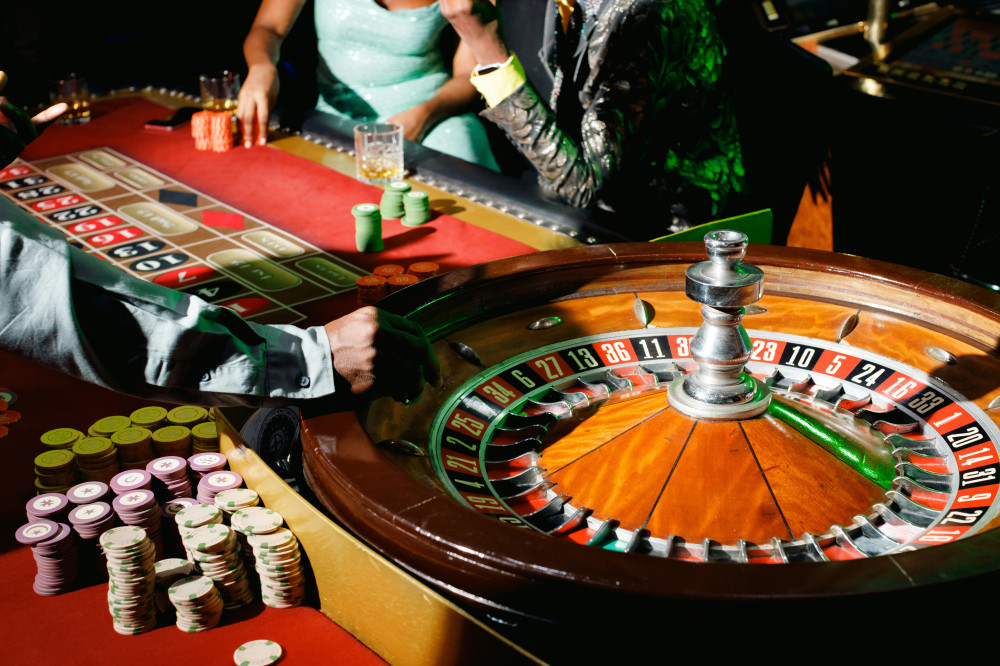
While casinos are often associated with individual play, community is at the heart of the experience. Table games like blackjack, craps, and roulette bring people together around a shared center of attention. Cheers, laughter, and conversation flow naturally, with the dealer acting as both host and entertainer.
The layout supports this social dynamic. Tables are positioned so players can watch and engage with one another, and bar areas are open and inviting. Even online casinos now strive to recreate this sense of togetherness through live dealers, chat features, and virtual environments that mimic the feel of physical spaces.
The Psychology of Design – Comfort and Control
Good casino design balances excitement with comfort. Plush seating, warm lighting, and attentive staff help guests feel at ease. Colors like gold, red, and deep brown evoke luxury and warmth, while the overall design encourages a sense of safety and control.
This balance is crucial. The thrill of gaming should feel like an experience, not a pressure. That’s why many modern casinos are embracing more open, contemporary designs that incorporate natural light, greenery, and art—creating spaces that feel both vibrant and relaxing.
From Las Vegas to the Local Scene – Evolving Trends
While Las Vegas remains the global symbol of glamour and spectacle, casino design across the U.S. is evolving. Regional casinos and resort destinations are focusing on authenticity and inclusivity, blending gaming with dining, entertainment, and cultural experiences.
Designers are reimagining casinos as social hubs—places where guests can enjoy a meal, see a show, or simply relax with friends. This shift requires creativity and a deep understanding of what today’s visitors value: connection, comfort, and memorable experiences.
The Power of Atmosphere – More Than Just Games
Ultimately, casino design is about storytelling. It’s about crafting an environment where people can feel excitement, community, and entertainment all at once. When the design succeeds, a casino becomes more than a place to play—it becomes a place to remember.
Læs også: