When News Changes the Odds: How the Betting Market Reacts to Injuries and Weather Forecasts


When News Changes the Odds: How the Betting Market Reacts to Injuries and Weather Forecasts
When a star quarterback tweaks his ankle in practice or a snowstorm suddenly threatens a Sunday game, the betting market doesn’t wait long to react. Odds shift, bettors scramble, and bookmakers race to adjust their lines before the market settles. But how exactly does this process work—and why can even small pieces of news cause big swings in the numbers?
Information Is Everything in Sports Betting
At its core, sports betting is a game of information. Bookmakers set odds based on probabilities, but those probabilities are constantly being updated as new information emerges. A player injury, a lineup change, or a weather forecast can all alter the expected outcome of a game.
When a key player is ruled out, sportsbooks quickly adjust their odds to reflect the new reality. Bettors, in turn, try to act before the market fully corrects itself. Some jump in early, hoping to catch value before the odds move, while others wait for confirmation, wary of false reports or overreactions.
Injuries: The Most Powerful Market Mover
Injuries are the single most influential type of news in sports betting. If a team loses its starting quarterback, ace pitcher, or leading scorer, the entire dynamic of the game can change. Bookmakers assess how much that player contributes to the team’s performance and adjust accordingly.
But not all injuries are created equal. A deep roster can absorb a loss better than a team already struggling with form or morale. Experienced bettors look beyond the headline—asking whether the market is overestimating or underestimating the impact of the injury. That’s where value often hides.
In the NFL, for example, a quarterback injury can move a point spread by several points, while a missing wide receiver might barely nudge it. In the NBA, a late scratch of a superstar can send totals and spreads swinging within minutes. Timing is everything.
Læs også:


Weather: The Underrated Factor
Weather doesn’t grab headlines like injuries do, but it can quietly reshape a game. In football, baseball, and golf, conditions like wind, rain, or extreme heat can have a major impact on performance. A pass-heavy offense might struggle in heavy rain, while a run-first team could thrive.
Sportsbooks factor weather into their models, but often only once forecasts become more certain. That creates small windows of opportunity for attentive bettors. For instance, if a cold front is expected to bring strong winds to a stadium, the total points line might drop as kickoff approaches—reflecting the lower likelihood of long passes or field goals.
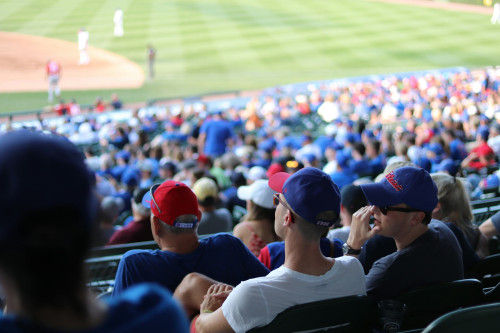
In baseball, wind direction at Wrigley Field can turn a low-scoring game into a slugfest—or vice versa. Bettors who track weather patterns closely can sometimes spot value before the market catches up.
How the Market Reacts: From Algorithms to Instinct
Today’s betting market is faster and more efficient than ever. Professional bettors and automated systems monitor news feeds, social media, and official team reports in real time. When a player’s status changes or a weather alert hits, odds can shift within seconds.
Still, human judgment remains crucial. Not all news is reliable, and markets sometimes overreact. A player listed as “questionable” might end up starting, causing odds to swing back the other way. Savvy bettors look for these overcorrections—moments when emotion and herd behavior push the line too far.
The Psychology Behind Line Movement
When large numbers of bettors react to the same piece of news, a herd mentality can take over. If everyone believes a team is doomed without its star player, the odds can move so far that the value actually lies on the other side. It takes discipline and confidence to bet against the crowd—but that’s often where the best opportunities are found.
Bookmakers understand this psychology. They don’t just adjust lines based on data; they also anticipate how bettors will respond. That’s why odds movement reflects not only probabilities, but also collective behavior and sentiment.
How to Stay Ahead
For the average bettor, the goal isn’t to beat the market’s speed—it’s to understand its mechanics. Follow credible news sources, check official team updates, and pay attention to how weather might influence play. Compare odds across multiple sportsbooks; small differences can reveal where the market hasn’t fully adjusted.
And most importantly, remember that even the best information doesn’t guarantee a win. Betting is about probabilities, not certainties. But by understanding how news shapes the odds, you can make more informed decisions—and maybe spot value where others only see chaos.
Læs også: