The Importance of Card Design – When Symbols Influence the Flow of Poker

The Importance of Card Design – When Symbols Influence the Flow of Poker
When you sit down at a poker table, you probably don’t think much about the design of the cards in your hand. Yet the symbols, colors, and layout play a bigger role than most players realize. Card design isn’t just about aesthetics – it’s about readability, pace, and psychology. In poker, where every second and every decision counts, even small visual details can shape the rhythm and flow of the game.
From Classic Patterns to Modern Minimalism
The playing cards we know today trace their roots back to 15th-century Europe. Hearts, diamonds, clubs, and spades quickly became the standard suits, but their design has evolved dramatically since then. Today, there are countless variations – from luxury collector decks with gold foil to sleek digital cards used in online poker rooms.
Modern poker design is all about balance: cards should be visually appealing, but above all, functional. A design that’s too ornate can distract players, while one that’s too plain can feel lifeless. Professional players often prefer decks with bold symbols and strong contrast, allowing them to read their hands quickly – even under dim casino lighting.
The Role of Symbols in the Game’s Rhythm
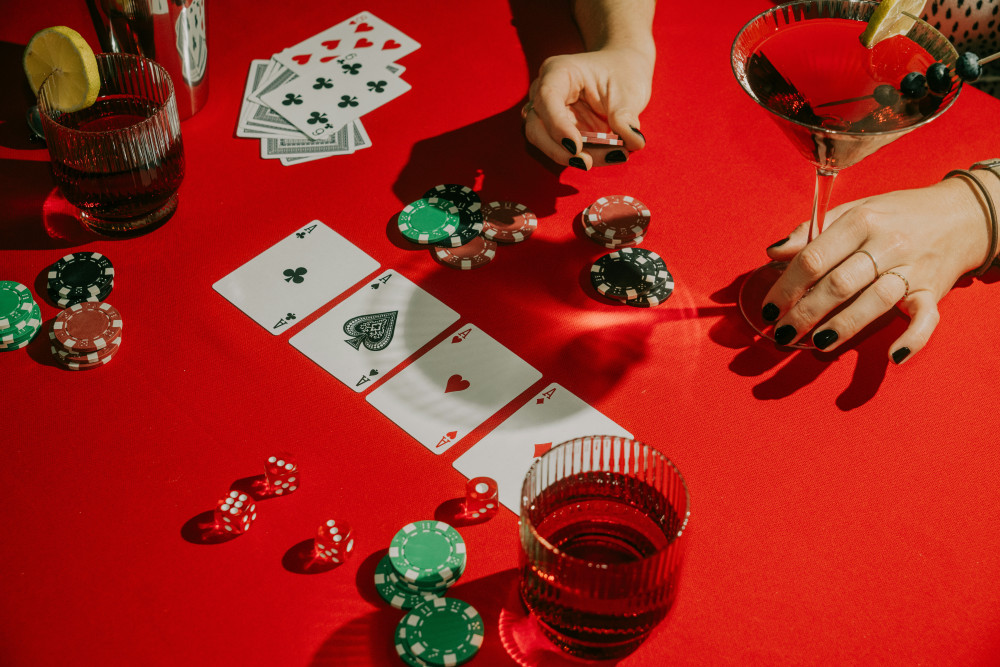
The symbols on playing cards are more than decorative elements. They act as visual cues that guide a player’s attention. A quick glance at the suit and color instantly communicates whether a hand might be strong or weak. That’s why it’s crucial that the symbols are easy to distinguish from one another.
A well-designed deck supports what could be called poker’s “flow” – the natural rhythm that emerges as the game moves smoothly from hand to hand. If players have to spend extra time deciphering their cards, that rhythm breaks, and concentration slips. It may seem like a small detail, but in high-speed tournaments, it can affect both the experience and the outcome.
The Psychology of Color at the Table
Colors influence perception and emotion – even in poker. The red suits (hearts and diamonds) are often associated with energy and action, while the black suits (clubs and spades) convey calm and control. This contrast creates a natural balance in the game, but it can also subtly affect how players respond to their cards.
In online poker, designers have experimented with alternative color schemes – such as blue and green instead of red and black – to reduce eye strain during long sessions. This shows that card design isn’t just about tradition; it’s also about ergonomics and user experience.
Læs også:
Digital Design and New Habits
As poker increasingly moves online, card design has taken on new dimensions. On a screen, cards must work in miniature form, often across multiple tables at once. This demands clarity and instant recognition. That’s why many digital decks now feature large symbols, bright colors, and minimal ornamentation.
Digital platforms have also made it possible for players to customize their experience. Some prefer dark themes to ease eye fatigue, while others stick to classic colors to preserve the feel of a live game. This flexibility helps create a more personal and fluid sense of play.
When Design Becomes Part of Strategy
While the look of the cards doesn’t change the odds, design can indirectly influence strategy. A clear, calm design helps players stay focused and make better decisions. Conversely, a cluttered or confusing design can lead to small mistakes – like misreading a suit or overlooking a potential combination.
Some professional players even develop preferences for specific decks because they feel the design “fits” their way of thinking. This shows that card design isn’t just a practical detail – it’s part of the mental framework that shapes the game.
The Invisible Power of Design
The importance of card design lies in the invisible – in the subtle details that make the game flow naturally. When symbols, colors, and proportions work in harmony, they create a rhythm that allows players to focus on strategy rather than form. That’s where poker’s true flow emerges: in the interplay between design, concentration, and intuition.
So next time you hold a card in your hand, take a moment to notice its shape, color, and symbol. Behind that simple design lies centuries of evolution – and a quiet force that keeps the game in motion.
Læs også: