The House Edge in Roulette: Why the Game Isn’t Just About Luck

The House Edge in Roulette: Why the Game Isn’t Just About Luck
Roulette is one of the most recognizable casino games in the world. The spinning wheel, the bouncing ball, and the suspense as it slows down have captivated players for centuries. Many see roulette as a pure game of chance—and in many ways, it is. But behind the glamour lies a mathematical truth: the house always has an edge. Understanding that edge is key to realizing why roulette isn’t just about luck, but also about probability, strategy, and informed choices.
What Does “House Edge” Mean?
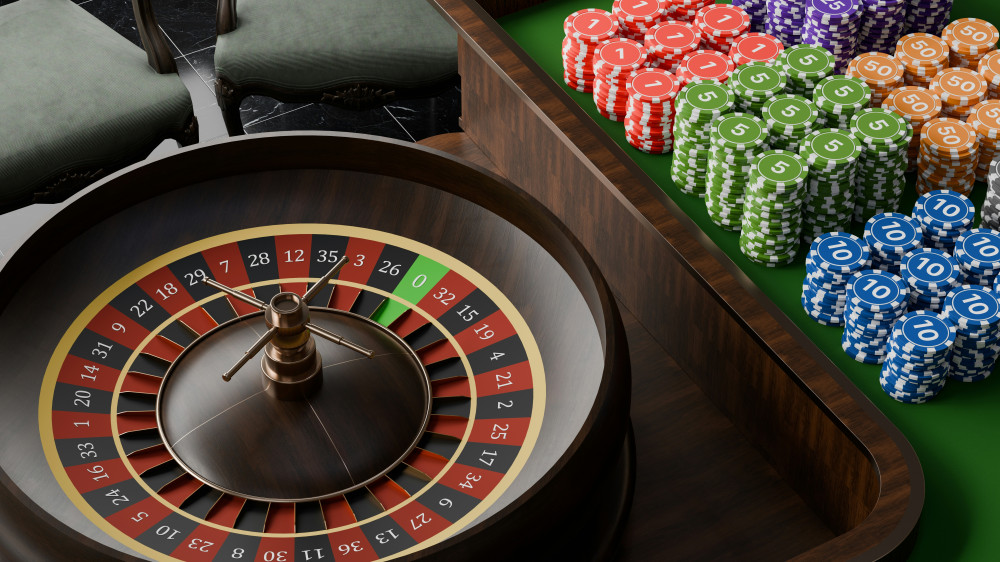
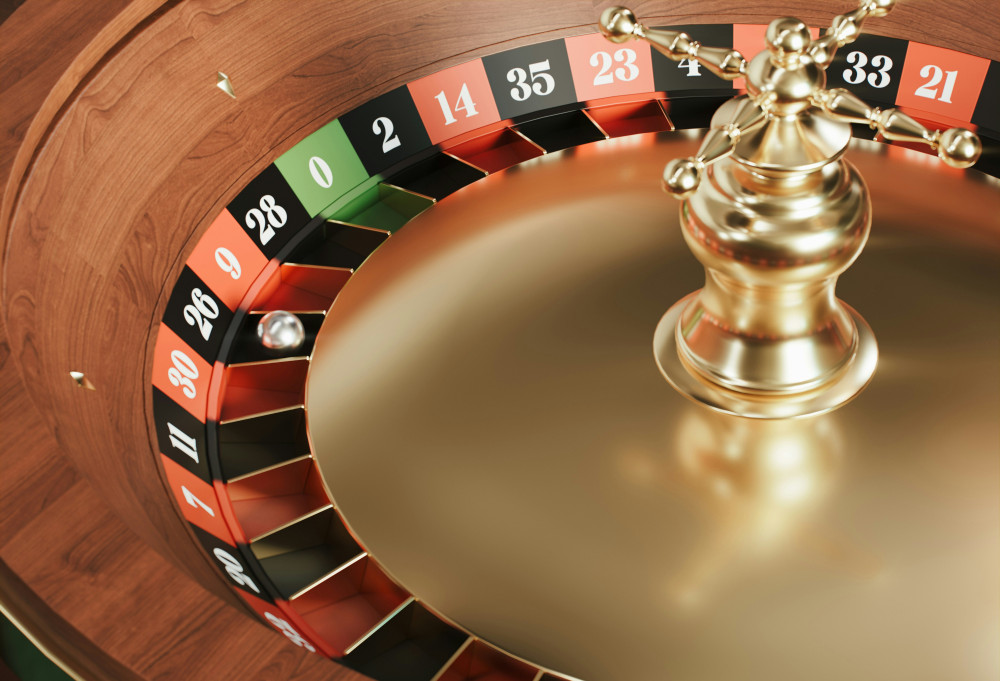
The “house edge” refers to the built-in statistical advantage that the casino holds over players in the long run. In roulette, this advantage comes from the green zero pocket—and in American roulette, from both the single and double zero. Those green pockets mean that the odds of hitting red or black are never exactly 50/50. The house always has a small but consistent advantage.
In European roulette, which has one zero, the house edge is about 2.7%. In American roulette, which includes both a zero and a double zero, the edge rises to roughly 5.26%. That means that for every $100 wagered, the casino can expect to keep about $2.70 or $5.26 on average over time.
Læs også:
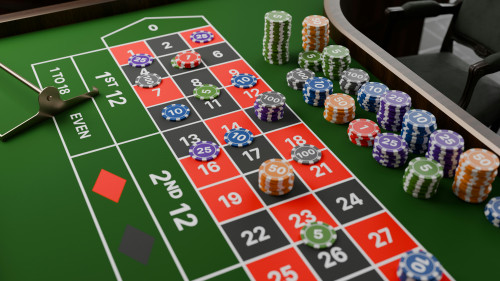
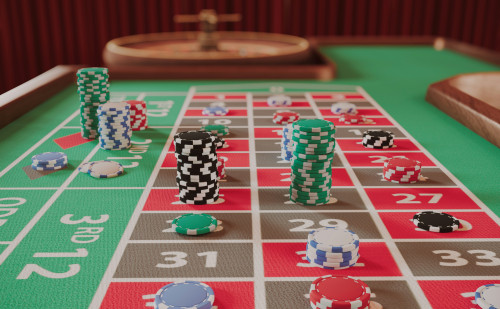
Why the Zero Changes Everything
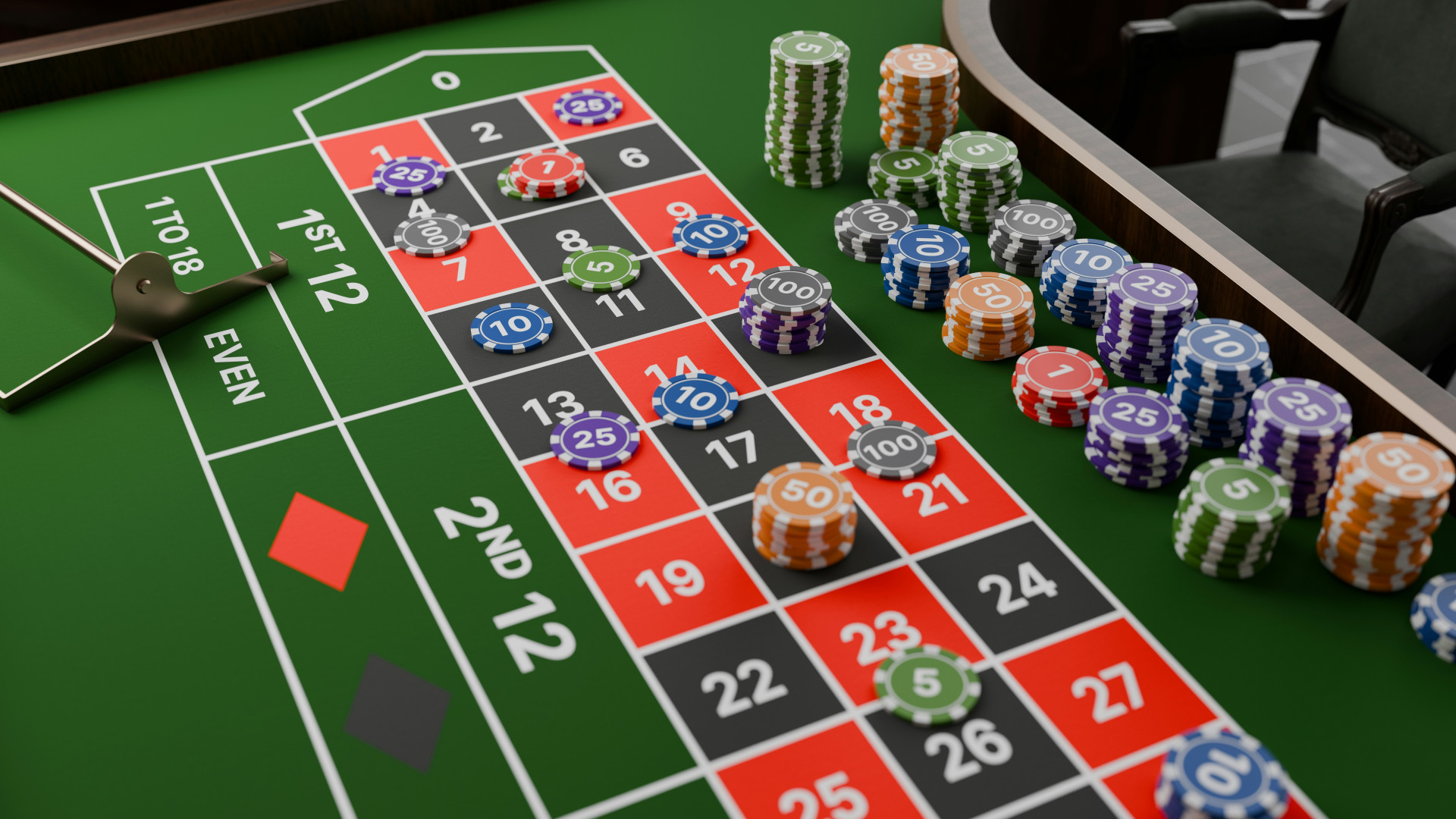
At first glance, roulette seems simple: you bet on a number, a color, or a range, and hope the ball lands where you want. But the zero changes the balance. It’s neither red nor black, odd nor even, and that single detail ensures that every bet slightly favors the house.
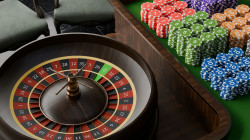
For example, there are 18 red and 18 black pockets on a European wheel, plus one green zero—37 pockets in total. The chance of hitting red is therefore 18 out of 37, not 18 out of 36. That small difference is what guarantees the casino’s long-term advantage.
American vs. European Roulette
Most experienced players prefer European roulette because of its lower house edge. The extra double zero in American roulette makes the game faster and riskier—but also less favorable for the player.
Some casinos, especially in Europe, offer French roulette, which includes special rules like La Partage or En Prison. These rules allow players to recover part of their bet if the ball lands on zero, reducing the house edge even further. While these versions are rare in U.S. casinos, they highlight how small rule variations can significantly affect the odds.
Strategies and Common Myths
Over the years, roulette has inspired countless betting systems—from the classic Martingale, where you double your bet after each loss, to more complex patterns like Fibonacci or Labouchere. All of these systems aim to overcome the house edge by managing bet sizes and sequences.
However, no strategy can change the underlying math. Each spin is independent, and the probability of any outcome remains the same every time. Betting systems can make the game more structured or exciting, but they can’t eliminate the house’s advantage.
Roulette as a Game of Probability, Not Control
Understanding the house edge doesn’t take the fun out of roulette—it makes the experience more realistic. Roulette is a game where short-term luck can bring big wins, but over time, probability always favors the casino.
Responsible play means recognizing that you can’t control the outcome. The best approach is to enjoy the thrill, set limits, and treat the game as entertainment rather than a way to make money. That balance between chance and mathematics is what makes roulette so fascinating—and why it continues to attract players around the world.
Knowledge Makes the Game More Enjoyable
Knowing how the house edge works doesn’t mean you should avoid roulette. In fact, it can make the game more engaging. When you understand the odds, you can choose the version and bets that best match your comfort level and risk tolerance.
For many players, roulette isn’t about beating the system—it’s about the excitement, the atmosphere, and that heart-pounding moment when the ball bounces between pockets. And because the house always has an edge, the smartest way to play is to see roulette for what it truly is: a game of chance, guided by mathematics, meant to be enjoyed responsibly.
Læs også: