Responsible Gaming as a Lifestyle: Mindfulness, Balance, and the Joy of Play in Everyday Life

Responsible Gaming as a Lifestyle: Mindfulness, Balance, and the Joy of Play in Everyday Life
Playing games—whether it’s poker night with friends, a few spins on an online slot, or a fantasy sports league—can bring excitement, connection, and fun into our lives. But like any form of entertainment, gaming is best enjoyed in balance. Responsible gaming isn’t just about avoiding problems; it’s about cultivating awareness, mindfulness, and joy in the way we play. Here’s how you can make responsible gaming a natural part of your everyday life.
Enjoyment with Intention
Games are meant to be fun. They offer a break from daily routines, a chance to socialize, and moments of thrill and anticipation. To keep that enjoyment alive, it’s important to play with intention. That means setting limits on how much time and money you spend—and sticking to them.
Think of gaming as entertainment, not as a way to make money. Just as you’d pay for a movie ticket or a night out, you’re paying for the experience, not for a guaranteed return. When you approach gaming with that mindset, it becomes easier to enjoy without stress or guilt.
Know and Respect Your Limits
A key part of responsible gaming is understanding your own boundaries—both financial and emotional. Set a gaming budget that fits comfortably within your means, and never chase losses. Trying to win back what you’ve lost can quickly turn a fun activity into a source of frustration.
Time limits are just as important. Games can be immersive, and hours can slip by unnoticed. By planning when you’ll play and when you’ll stop, you stay in control and ensure that gaming remains a positive part of your life.
Gaming as a Social Experience
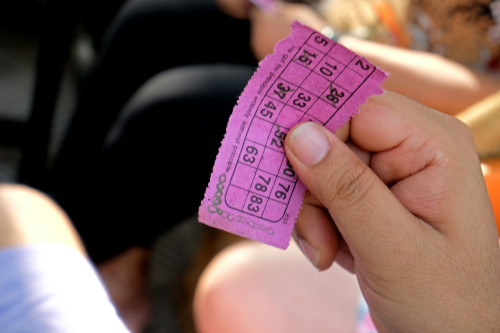
For many Americans, gaming is a social activity—whether it’s a family board game night, a local bingo event, or an online community of players. Playing with others helps keep the focus on connection rather than competition. It’s about shared experiences, laughter, and friendly challenges.
When gaming is social, it’s easier to maintain perspective. The emphasis shifts from winning to enjoying the moment. That’s the heart of responsible gaming: finding joy in the experience itself, not just in the outcome.
Læs også:
When Gaming Becomes Too Much
Even with the best intentions, gaming can sometimes take up more space in your life than you’d like. If you find yourself thinking about gaming constantly, playing to escape stress, or spending more than you can afford, it may be time to take a step back.
There are many resources available in the U.S. for those who need support. Organizations like the National Council on Problem Gambling (NCPG) offer free and confidential help through hotlines and online chat services. Reaching out for help isn’t a sign of weakness—it’s a sign of strength and self-awareness. It shows that you value your well-being.
Making Responsible Gaming a Habit
Like healthy eating or regular exercise, responsible gaming can become a natural part of your lifestyle. It’s about building good habits: planning ahead, staying mindful, and playing for enjoyment rather than escape. Over time, these small choices create a sustainable and positive relationship with gaming.
You can start by:
- Setting a clear budget and sticking to it.
- Taking regular breaks from gaming.
- Playing with friends or family instead of alone.
- Reflecting on why you play and what you enjoy most about it.
These simple steps can make a big difference, helping you keep gaming fun, balanced, and stress-free.
A Lifestyle of Balance
Ultimately, responsible gaming is about balance—between excitement and calm, freedom and control, playfulness and mindfulness. When you find that balance, gaming becomes a source of joy rather than worry. It’s not about playing less; it’s about playing better—with awareness, respect, and a sense of purpose.
Choosing responsible gaming as a lifestyle means choosing mindfulness over impulse. It’s about taking charge of your experience and allowing yourself to enjoy the game with peace of mind.
Læs også: