From Math to Games: Game Theory’s Entry into the Casino World

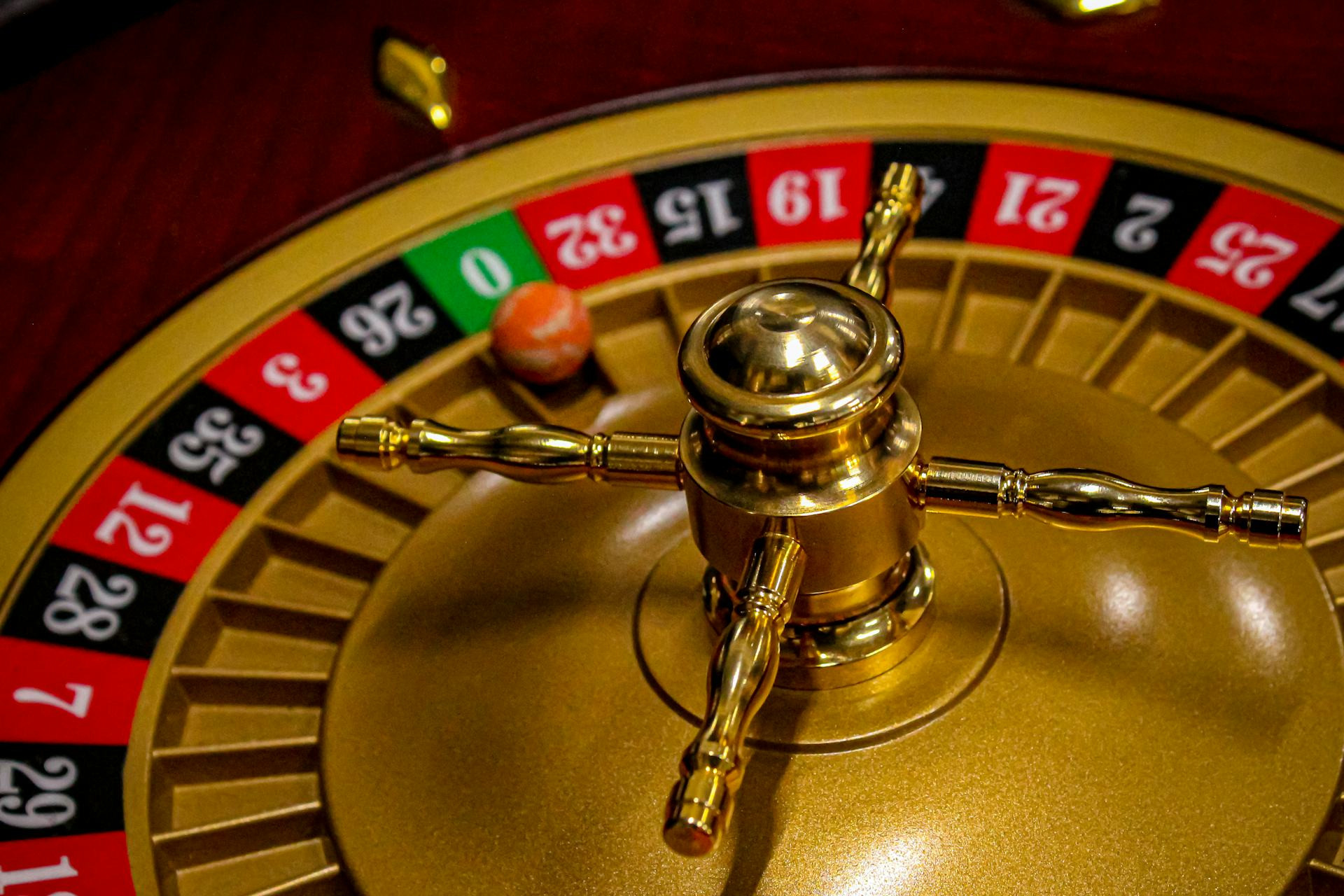
From Math to Games: Game Theory’s Entry into the Casino World
When most people picture a casino, they imagine flashing lights, spinning wheels, and the thrill of chance. Yet behind the apparent randomness of many games lies a world of strategy and mathematics. In recent years, game theory—the branch of mathematics that studies strategic decision-making—has found its way into the casino world. It’s not only shaping how professional players approach games but also how casinos design them.
From Academic Theory to the Gaming Floor
Game theory first gained prominence in the mid-20th century through the work of mathematician John von Neumann and economist Oskar Morgenstern. They explored how rational individuals make decisions in competitive and uncertain situations. Their ideas quickly spread beyond mathematics, influencing economics, politics, and eventually, games of chance.
In casinos, game theory isn’t about predicting outcomes—it’s about understanding how to respond optimally to risk and opportunity. In games like poker, blackjack, and even certain sports bets, players who grasp game-theoretic principles can make more informed and profitable decisions than those who rely solely on intuition.
Poker: Game Theory’s Natural Playground
Poker is perhaps the clearest example of game theory in action. It’s a game of incomplete information, where success depends on reading opponents, assessing probabilities, and choosing strategies that maximize long-term gains.
The concept of Game Theory Optimal (GTO) play has become central to modern poker. A GTO strategy aims to make a player’s decisions mathematically balanced and unpredictable, preventing opponents from exploiting patterns. Today, professional players use advanced computer solvers to simulate millions of hands, refining strategies that approach this theoretical ideal.
Læs også:


Blackjack and the Precision of Probability
In blackjack, game theory takes on a more mathematical than psychological form. Players can use probability-based strategies to determine when it’s statistically best to hit, stand, double down, or split.
The well-known basic strategy minimizes the house edge by relying on precise probability calculations. Some players go further, employing card counting—a method rooted in game-theoretic thinking, as it involves adjusting one’s strategy based on changing probabilities within the deck.
Casinos and the Mathematics of Design
Game theory isn’t just a tool for players; casinos themselves use it to design games that are both engaging and profitable. Every casino game is carefully modeled to ensure a small but consistent house edge—enough to guarantee long-term profit without making the game feel unfair.
As online casinos have grown in popularity across the United States, developers have increasingly turned to game-theoretic models to create new types of interactive games. These often blend chance and strategy, giving players a greater sense of control while maintaining the mathematical balance that keeps the house in business.
When Mathematics Meets Psychology
Although game theory is rooted in mathematics, its real-world application often involves psychology. In poker, understanding an opponent’s behavior can be as important as knowing the odds. In games like roulette or slots, awareness of probability can help players stay calm and avoid emotional decisions—such as chasing losses or believing in “hot streaks.”
Casinos are well aware of these psychological dynamics. They design environments that play on human biases—our tendency to overestimate luck and underestimate risk—phenomena that game theory seeks to explain and quantify.
A New Era of Strategic Play
Game theory’s entry into the casino world has changed how many people view gambling. Once seen purely as a matter of luck, casino games are now recognized as complex systems where strategy, analysis, and discipline can make a measurable difference—at least in certain games.
For most players, casinos remain a place for entertainment and excitement. But for those fascinated by the intersection of mathematics and human behavior, the casino floor has become a living laboratory—where theory meets chance, and every decision is a move in a grand strategic game.
Læs også:


